
Maintenance · April 30, 2026 · By Doug Kelley, Master Licensed HVAC Technician
How Long Does HVAC Equipment Really Last? Lifespans by System Type
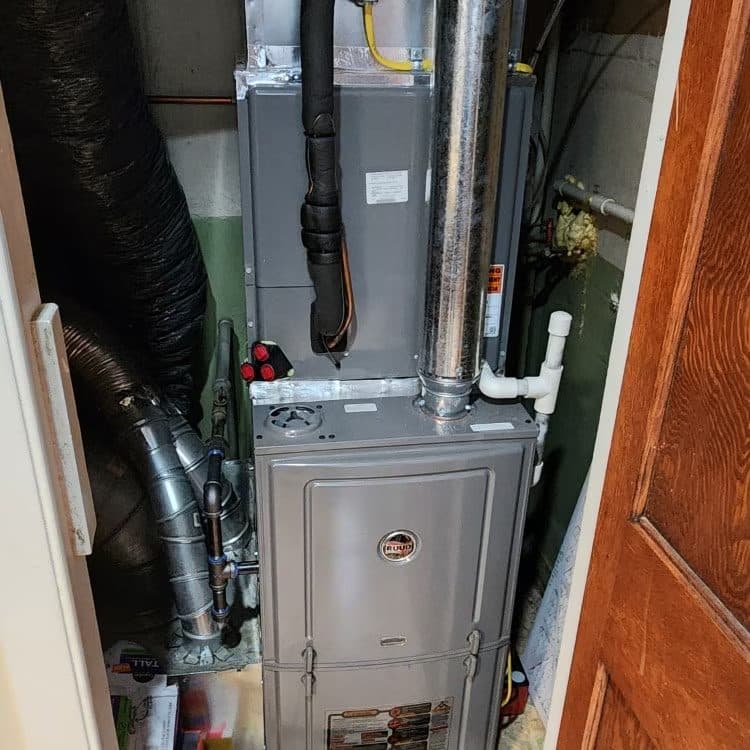
The most useful thing a homeowner can know about HVAC equipment is roughly when it will need replacing, because the difference between a planned replacement and an emergency one is measured in stress and money. Here are the honest real-world lifespans we see on the upper Shore, and what moves them.
Lifespans by equipment type
- Gas and propane furnaces: 15 to 25 years, with maintenance history the biggest variable
- Oil furnaces: 20 to 30 years, sturdy but dependent on annual burner service
- Central air conditioners: 12 to 17 years, less near saltwater
- Heat pumps: 10 to 15 years, running both seasons means more annual hours than an AC
- Ductless mini-splits: 15 to 20 years with clean filters and coils
- Cast iron boilers: 25 to 40 years and beyond, the marathoners of the trade
- Water heaters, tank type: 8 to 12 years
- Ductwork: 30 or more years, though sealing and insulation often need attention sooner
What shortens equipment life here specifically
Our local killers: salt air, which corrodes outdoor coils noticeably faster in Rock Hall, Betterton, Kent Island, and anywhere within a mile or two of open water; humidity, which keeps cooling equipment condensing hard for five months and breeds drain problems; and short-cycling from oversized equipment, which ages compressors on installation day. Neglected filters and skipped maintenance compound all of it. Coastal owners should ask about coil coatings at replacement time; it is cheap insurance against our air.
Reading the signals of the final years
Equipment usually announces retirement gradually: repair bills becoming annual events, energy use creeping up without a rate change, longer runtimes to hold the same temperatures, refrigerant leaks on aging coils, and rooms drifting apart in temperature. The rule of thumb worth knowing: multiply a quoted repair by the system's age, and when the result passes roughly five thousand, get a replacement quote alongside the repair quote before deciding.
The planning advantage
Knowing your equipment's age and condition converts replacement from an emergency into a project: you compare options calmly, schedule in shoulder season when calendars are open, and never make a fifteen year decision during a heat wave with the family sweating. Our maintenance clients get exactly this: readings tracked year over year and an honest heads-up when a system starts trending toward the end. If you do not know how old your equipment is, the data plate knows, and we are happy to translate it: (443) 310-0206.