
Maintenance · April 8, 2026 · By Doug Kelley, Master Licensed HVAC Technician
How Often Should You Really Change Your HVAC Filter?
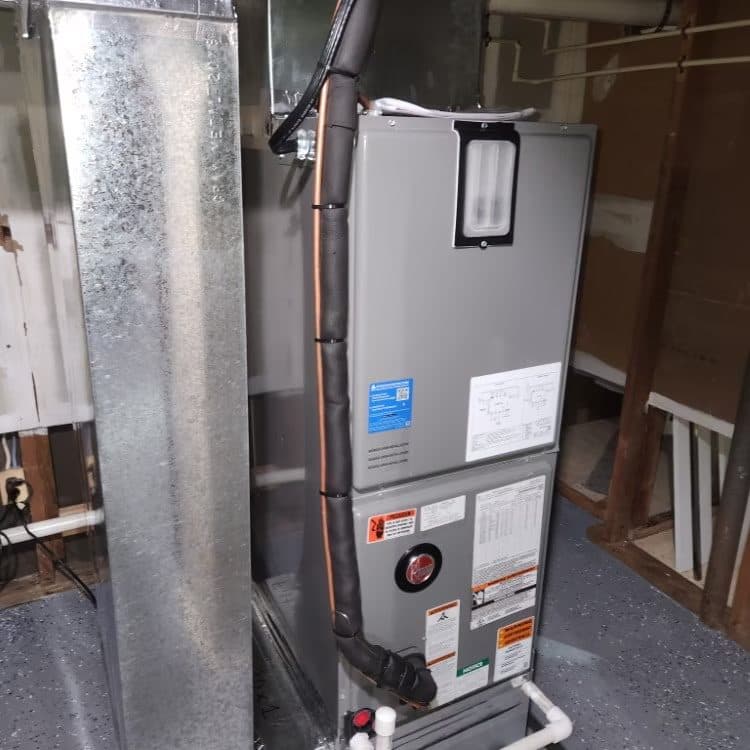
If we could get every homeowner on the Shore to do exactly one piece of HVAC self-care, it would be filter changes. A one dollar to twenty dollar filter, changed on time, prevents more repairs than any other single habit. Here is the real schedule, not the one printed on the box.
The schedule by filter type
- Cheap fiberglass panel filters: every 30 days, no exceptions
- Standard 1 inch pleated filters: every 60 to 90 days, checked monthly
- 4 to 5 inch media filters in a cabinet: every 6 to 12 months
- Washable mini-split screens: rinsed monthly during heavy use
When to run shorter intervals
Shedding pets take a 90 day filter to 60. Multiple pets, ongoing renovation dust, a smoker in the house, or allergy sufferers who want the filtration working at its best all justify monthly checks. Rural properties around here add their own load: field dust in the dry months and wood stove particulate in winter both show up in filters early. The check costs nothing: pull it, hold it up to a light, and if light barely passes through, it is done regardless of the calendar.
What a clogged filter actually does
In cooling season, a starved blower means less air across the indoor coil, the coil overcools, and ice forms until the system stops cooling entirely. In heating season, the same starvation overheats a furnace until its limit switch shuts it down, and repeated overheating is a genuine contributor to cracked heat exchangers, which is a replace-the-furnace problem with a safety dimension. Filters are cheap. Coils, blower motors, and heat exchangers are not.
Two mistakes to avoid
First, do not upgrade to the highest-MERV allergy filter without checking what your blower can handle. Very restrictive 1 inch filters can starve airflow on systems not designed for them, causing the exact problems a filter should prevent. If you want serious filtration, a properly sized media cabinet is the right way to get it. Second, never run the system with no filter while you wait to buy one. Weeks of unfiltered dust settles into the coil, and coil cleaning costs far more than the filter would have.
Not sure what your system should be running? Snap a photo of the filter slot and its measurements and text it to us at (443) 310-0206. Getting a customer onto the right filter is a two minute favor, not a service call.