
Heating · March 12, 2026 · By Doug Kelley, Master Licensed HVAC Technician
Heat Pump vs. Gas Furnace on the Eastern Shore: The Real Comparison
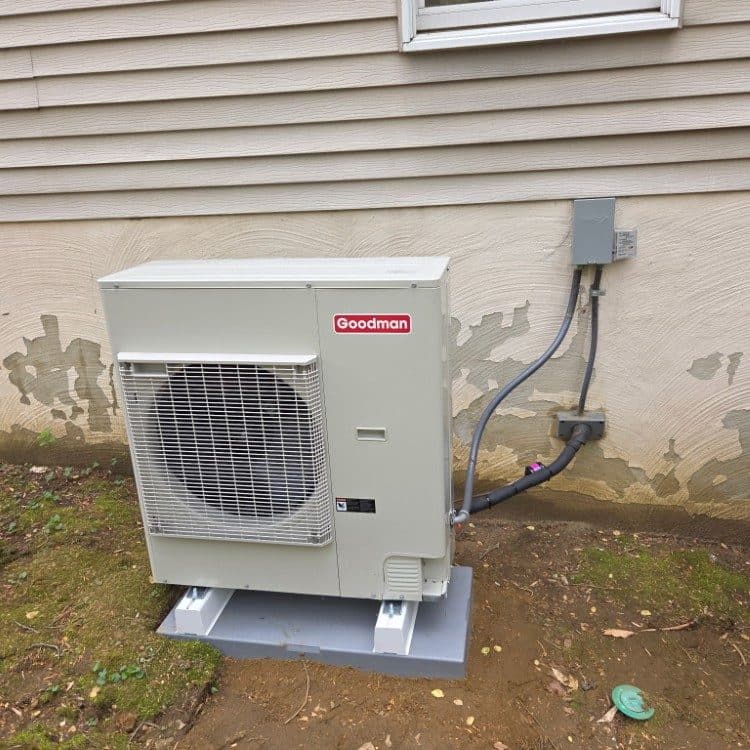
Every winter we sit at kitchen tables from Chestertown to Denton having some version of the same conversation: the furnace is aging, the propane bill hurts, and the homeowner has heard conflicting things about heat pumps. Here is the comparison we actually walk through, with the local numbers that matter.
Our climate is heat pump country, mostly
The upper Eastern Shore winter is long stretches of 25 to 45 degree weather with occasional dips into the teens. That profile is exactly where heat pumps excel: in mild cold, a modern unit delivers two to three units of heat for every unit of electricity it buys. A furnace, however efficient, never beats one-to-one on the energy it consumes. The old knock on heat pumps, that they quit when it gets really cold, described 1990s equipment. Current cold-climate models hold useful capacity into the single digits.
The fuel math, locally
Natural gas, where you can get it, remains cheap heat, and a 96 percent gas furnace is hard to argue with on operating cost. But much of our service area is beyond the gas mains and heats with propane or oil, which cost dramatically more per unit of heat. For propane households especially, a heat pump usually wins the monthly math clearly. Electric resistance heat, baseboards or an electric furnace, loses to a heat pump every single time, since the heat pump produces the same warmth on a third of the electricity.
Comfort differences, honestly stated
A gas furnace delivers hot blasts, 120 degrees or more at the register, in shorter cycles. A heat pump delivers warm air, roughly 90 to 105 degrees, in longer, gentler cycles. Houses hold steadier temperatures on the heat pump pattern, but people raised on furnace heat sometimes miss the blast. Neither is wrong. It is worth knowing which you are buying.
The hybrid answer that often wins here
Dual fuel systems pair a heat pump with a gas or propane furnace and switch automatically: the heat pump carries the many mild days cheaply, the furnace takes the cold snaps. For propane homes with existing ductwork, this is frequently the lowest total-cost configuration on the Shore, and it builds in redundancy: two heat sources, either able to carry the house in a pinch.
What tips the decision
- On natural gas already, furnace still working: keep it, add AC or maintain what you have
- On propane or oil with aging equipment: heat pump or dual fuel deserves the serious look
- All-electric home: a heat pump is close to an automatic upgrade
- No ductwork: ductless heat pumps sidestep the whole question
- Backup power matters to you: remember any ducted system needs electricity for the blower regardless of fuel
There is no one answer, which is exactly why the right contractor asks about your fuel, your ducts, and your bills before quoting anything. That conversation, with real numbers for your house, is free: (443) 310-0206.